
F.4 Study Tour to Seoul in 2026
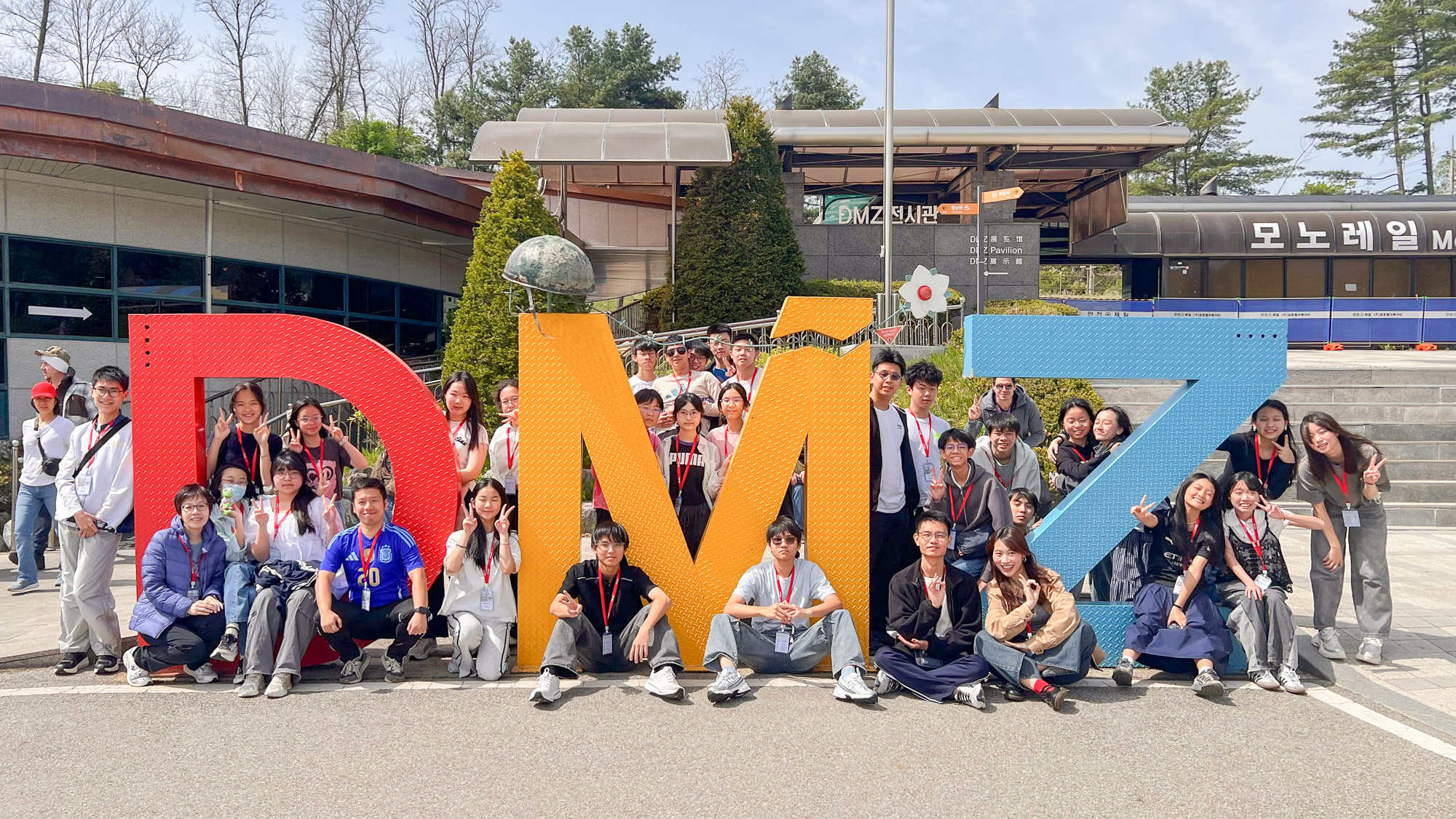
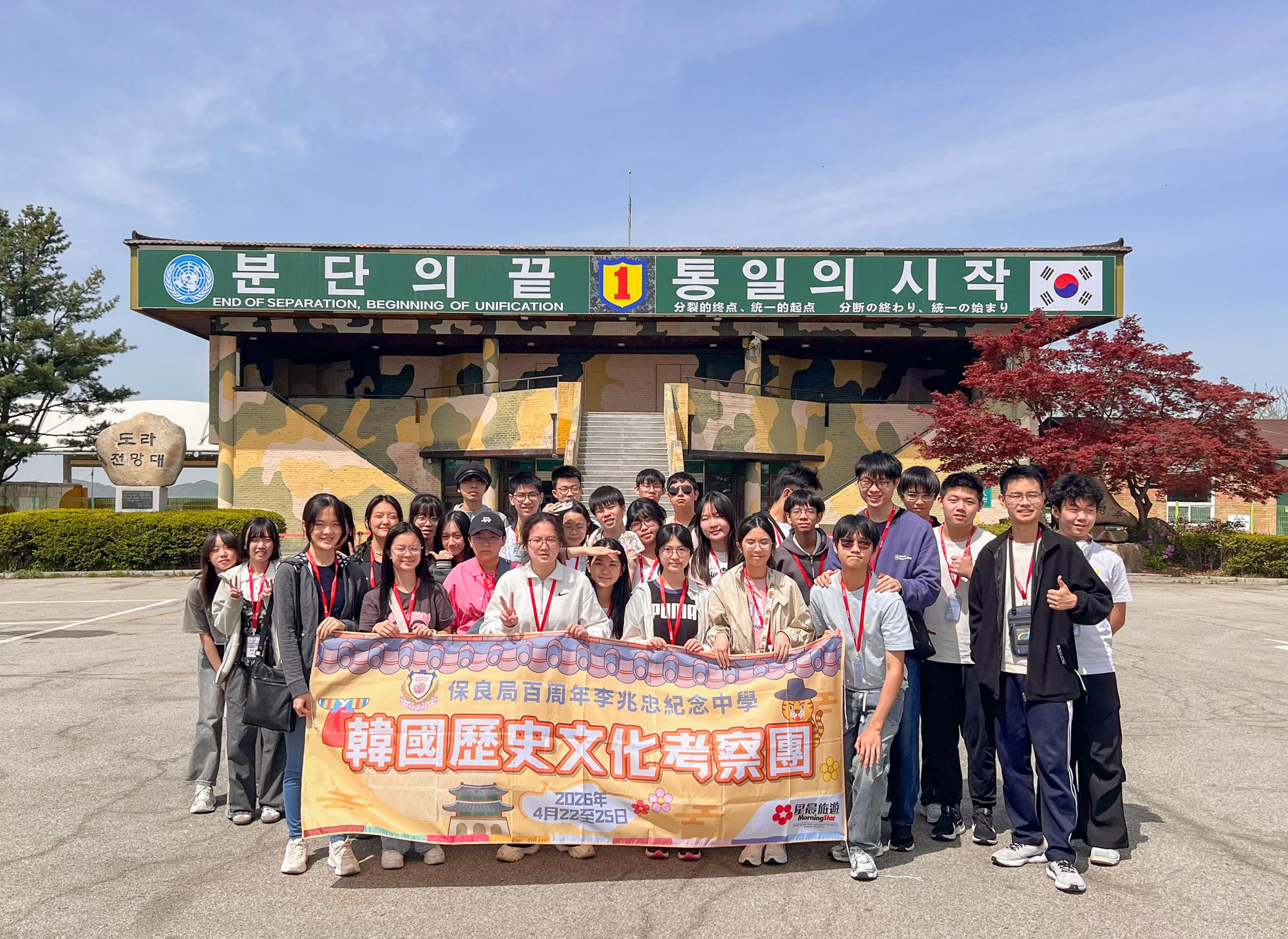
From 22 to 25 April 2026, thirty of our students participated in a comprehensive four-day Chinese History and History study tour to Seoul, South Korea. Educational excursions to the Demilitarized Zone (DMZ) and the War Memorial of Korea offered sobering insights into the historical consequences of conflict, fostering a profound appreciation for the enduring value of peace.
Guided explorations of the architectural grandeur of Gyeongbokgung Palace and the antiquities housed within the National Museum of Korea significantly enriched the students’ understanding of the region’s deep-rooted heritage and its intricate historical ties with Chinese culture. Furthermore, a visit to the Heyri Art Village poignantly illustrated post-war resilience and cultural reconstruction. Concurrently, itineraries encompassing the National Aerospace Museum, Cheonggyecheon, and the vibrant district of Myeongdong exemplified South Korea’s rapid technological advancement and dynamic urban revitalization.
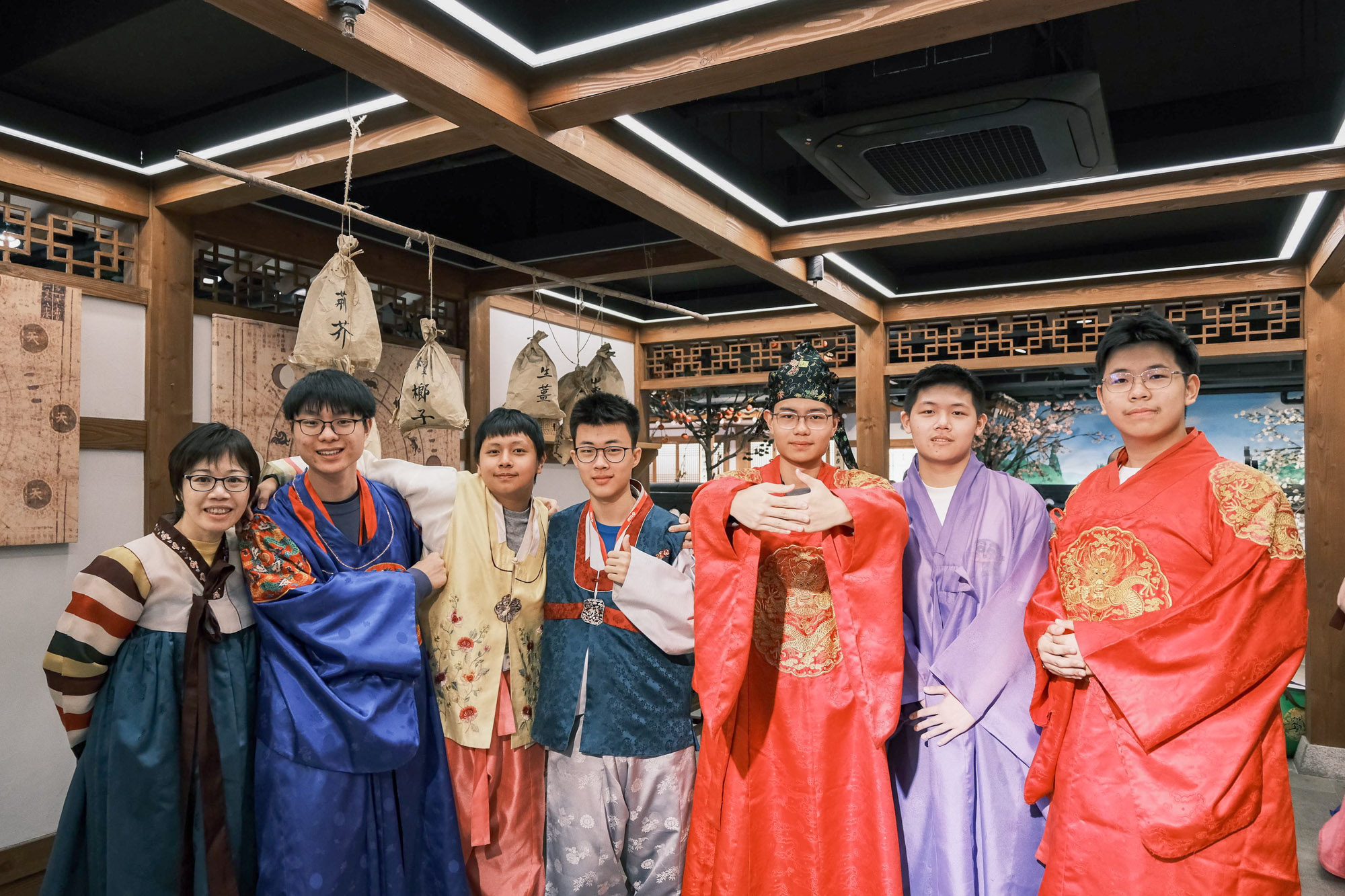
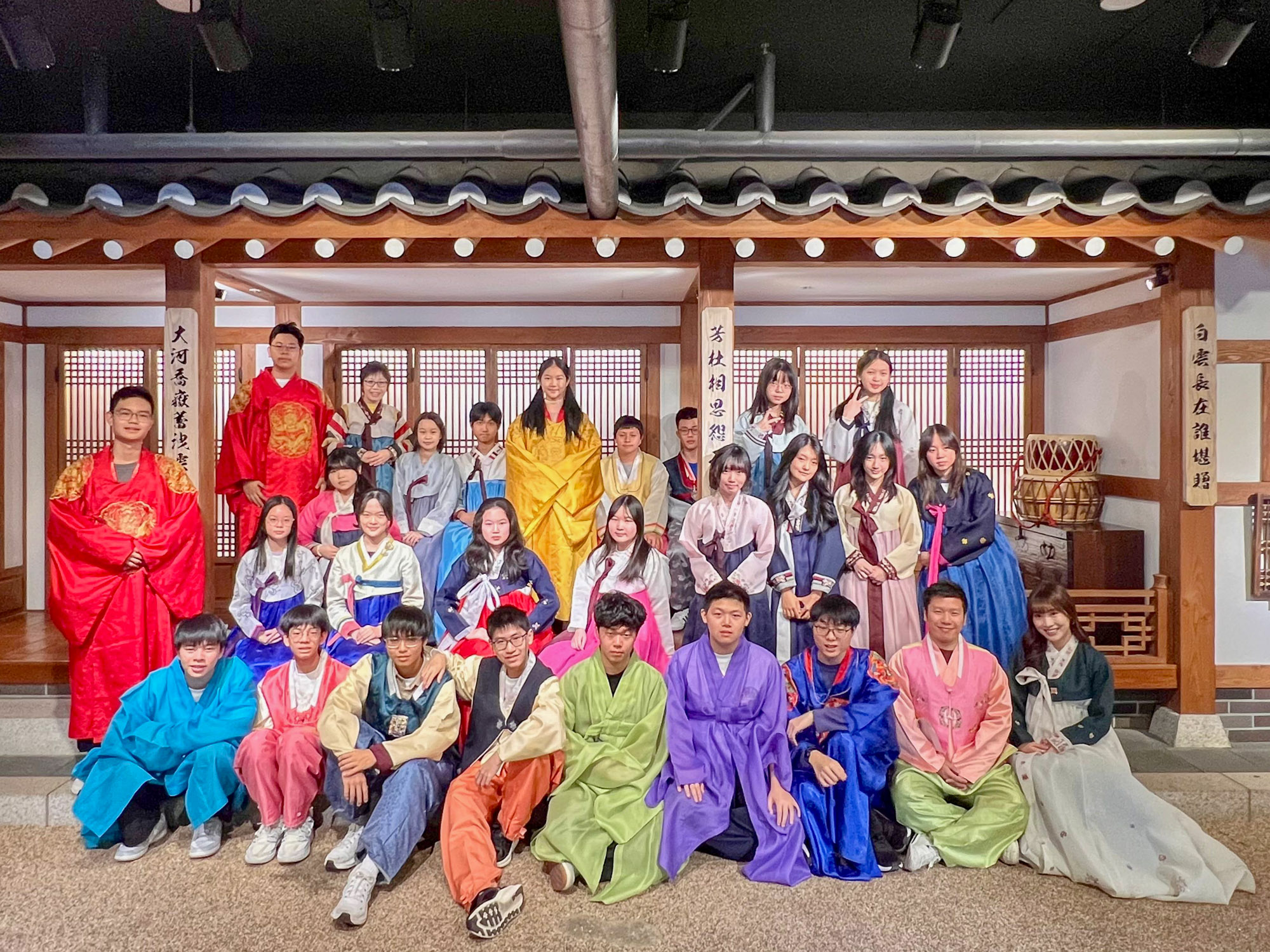
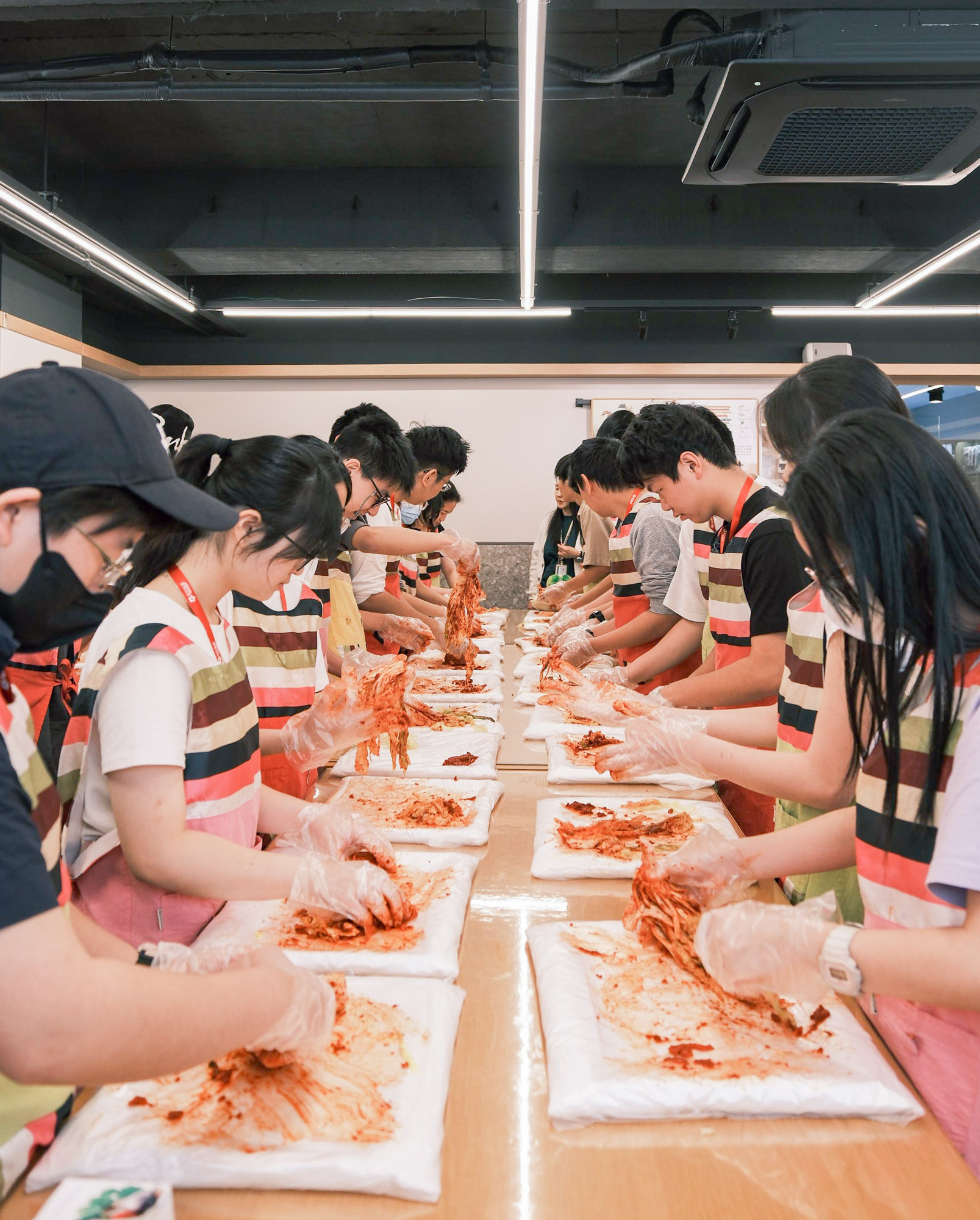
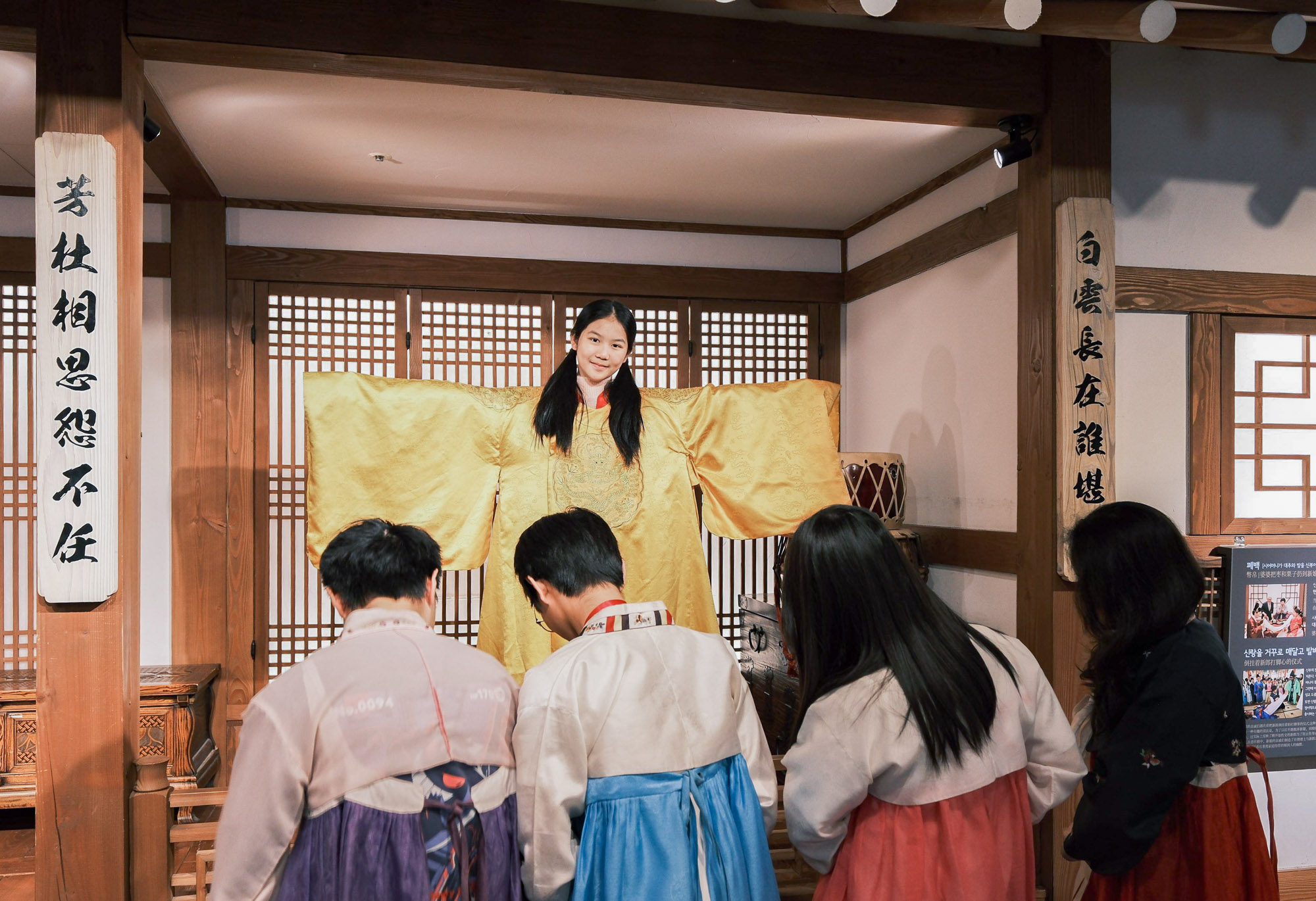
Experiential learning activities, such as donning traditional Hanbok attire and participating in culinary workshops, provided students with a tangible connection to indigenous customs. By synthesizing rigorous historical reflection, cultural immersion, and observations of modern innovation, this expedition served as an exceptionally inspiring and transformative educational endeavor for all participants.
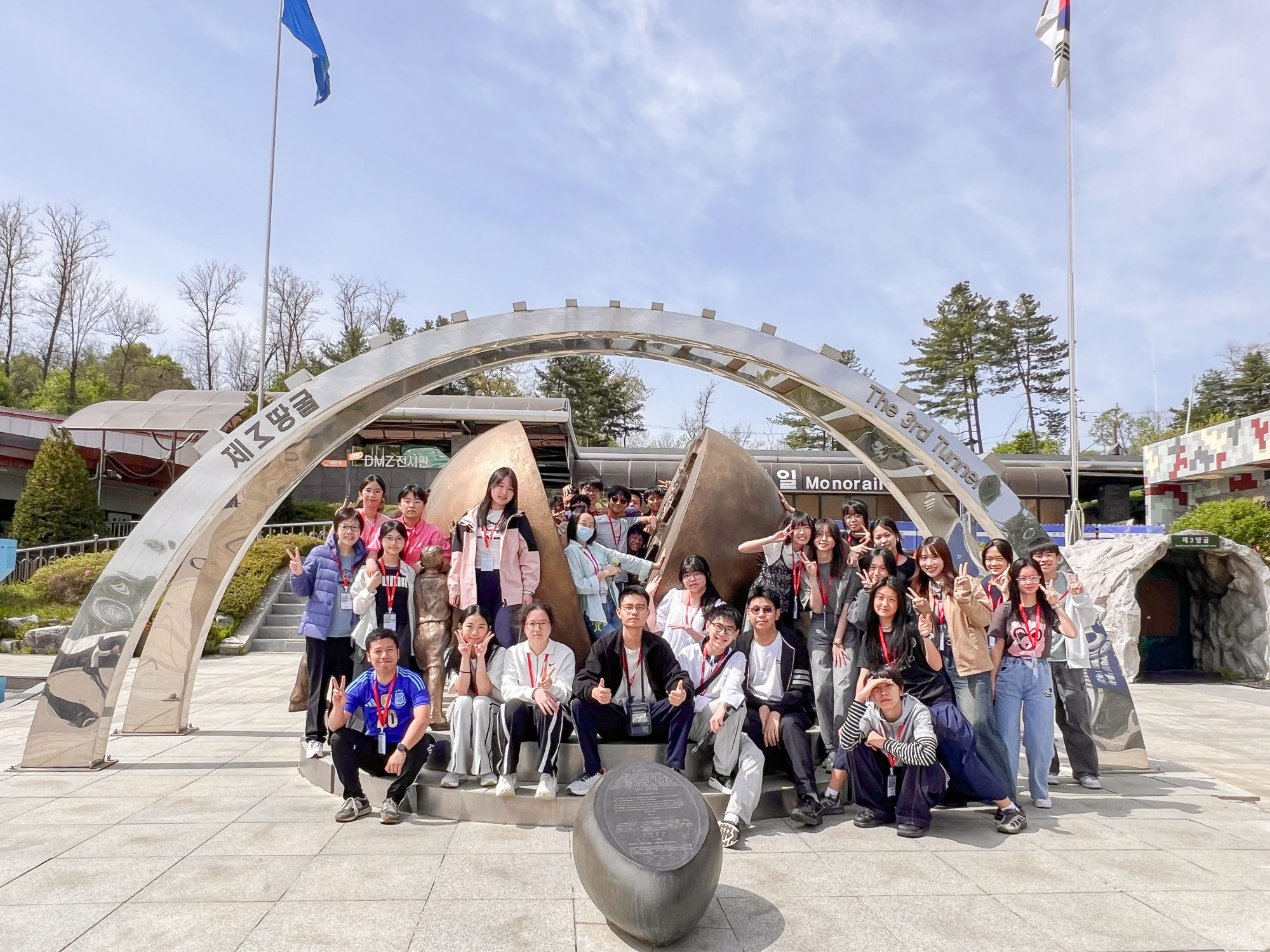
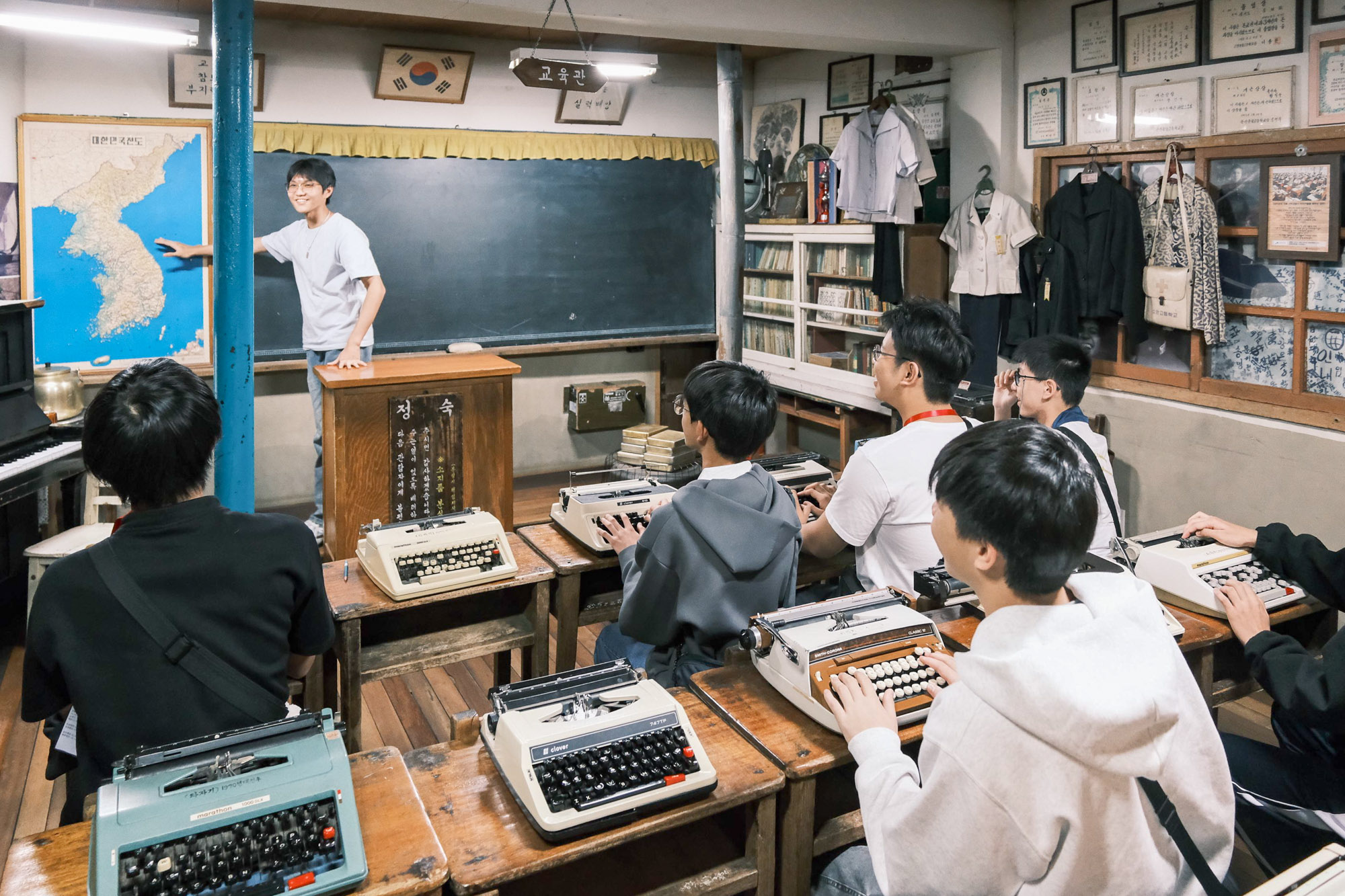
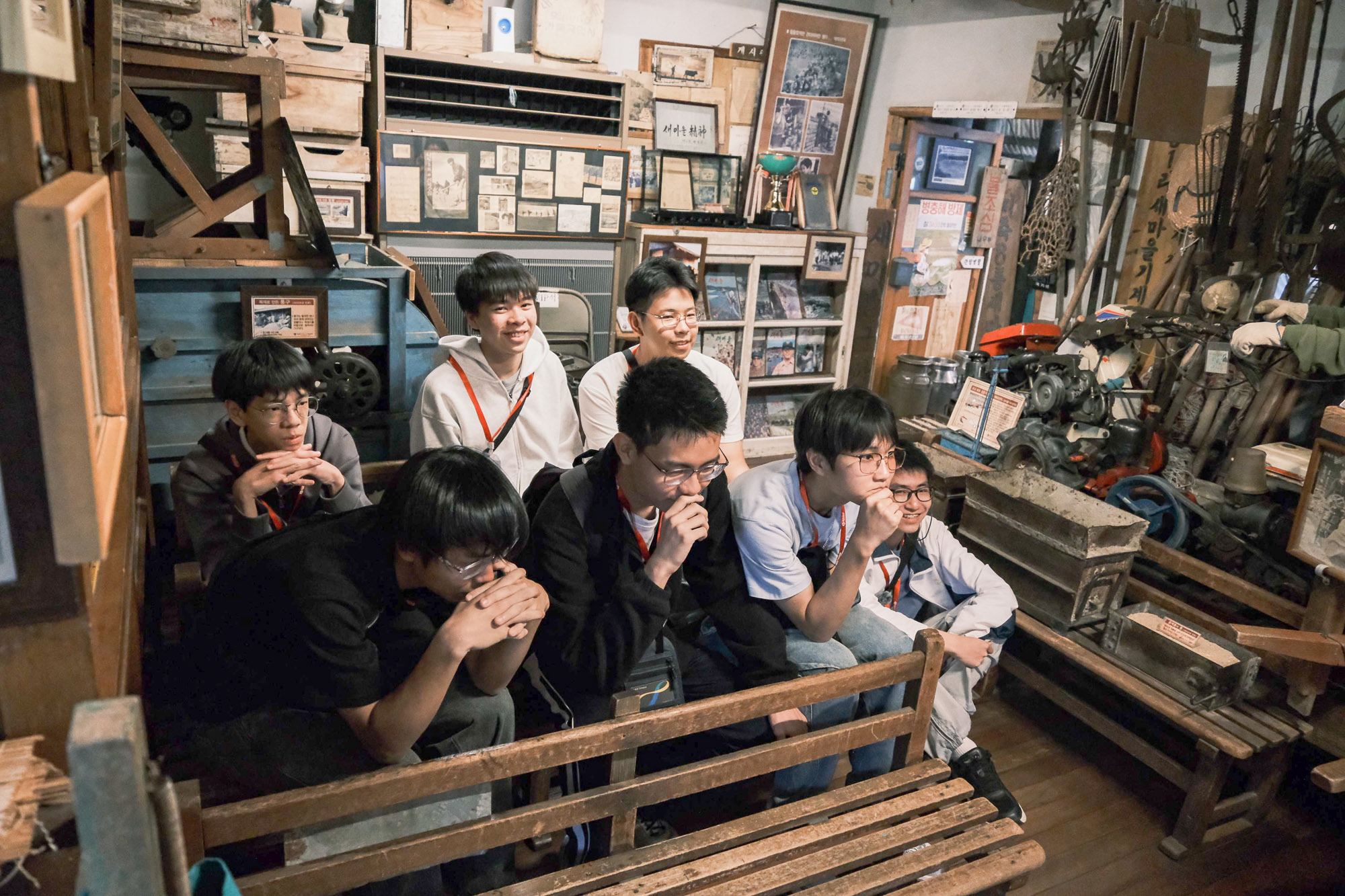
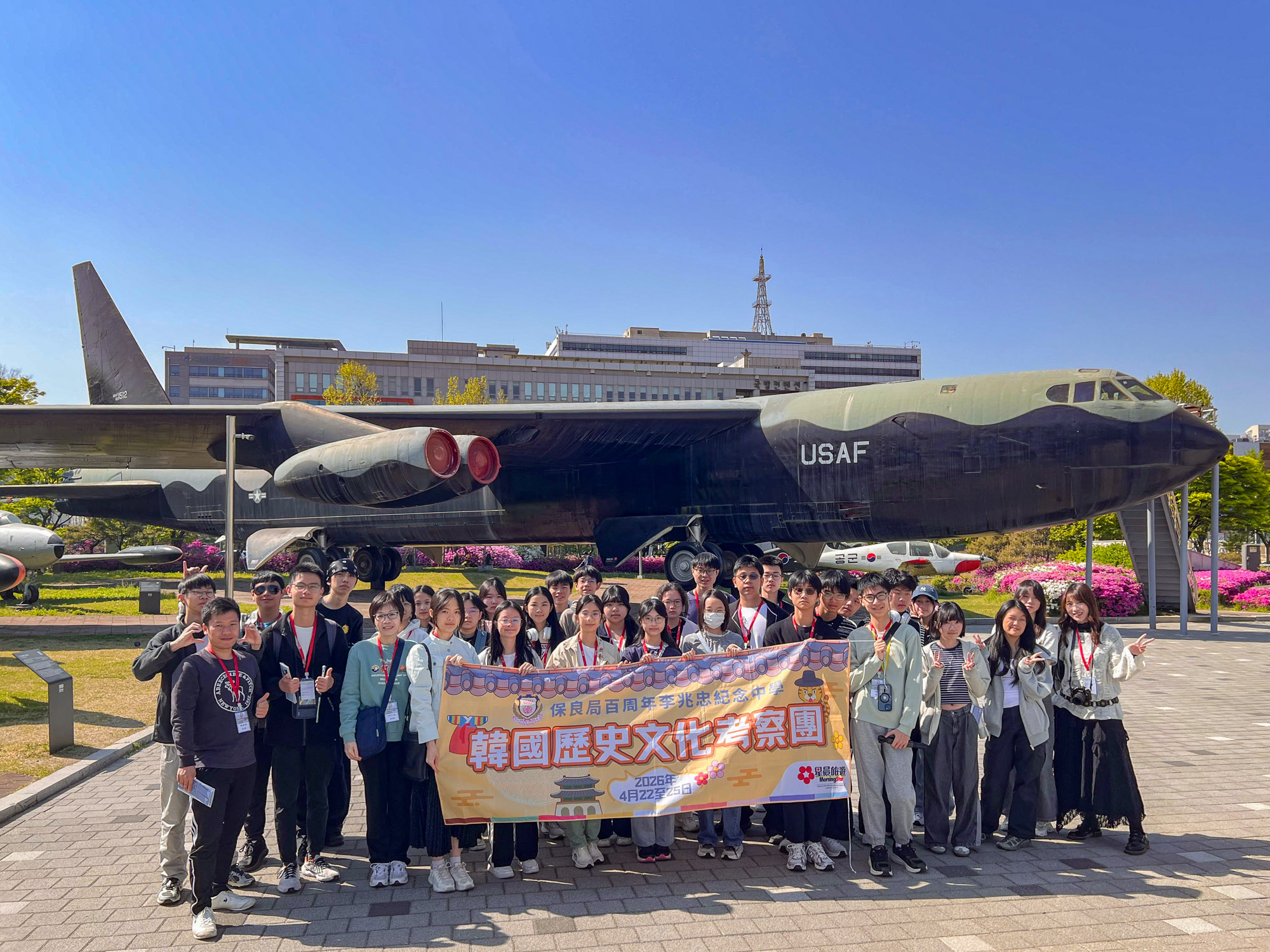
From 22 to 25 April 2026, thirty of our students participated in a comprehensive four-day Chinese History and History study tour to Seoul, South Korea. Educational excursions to the Demilitarized Zone (DMZ) and the War Memorial of Korea offered sobering insights into the historical consequences of conflict, fostering a profound appreciation for the enduring value of peace.
Guided explorations of the architectural grandeur of Gyeongbokgung Palace and the antiquities housed within the National Museum of Korea significantly enriched the students’ understanding of the region’s deep-rooted heritage and its intricate historical ties with Chinese culture. Furthermore, a visit to the Heyri Art Village poignantly illustrated post-war resilience and cultural reconstruction. Concurrently, itineraries encompassing the National Aerospace Museum, Cheonggyecheon, and the vibrant district of Myeongdong exemplified South Korea’s rapid technological advancement and dynamic urban revitalization.
Experiential learning activities, such as donning traditional Hanbok attire and participating in culinary workshops, provided students with a tangible connection to indigenous customs. By synthesizing rigorous historical reflection, cultural immersion, and observations of modern innovation, this expedition served as an exceptionally inspiring and transformative educational endeavor for all participants.